Study guide · PDF · 55 pages · 2026 edition · updated November 2026
Dosage calculations workbook for nursing students: 200 worked problems
Dosage calculation exams are failed on a decimal point, a missed conversion or a ratio written upside down. This workbook teaches dimensional analysis (Chapter 2 and the multi-step problems), shows the formula and ratio methods side by side, then solves 125 problems step by step and times you on 75 more where most wrong choices are classic errors.
For: Nursing students with a dosage calculation exam or a med-math check before clinicals, and NCLEX candidates who want to drill calculation items.
What you get for $29, the moment you pay
- 125 problems solved step by step in 7 chapters: dimensional analysis worked in Chapter 2 and in the multi-step problems, the shortest correct setup elsewhere
- 75 more in three timed sets and a 30-problem final exam, full solutions in the keys
- Answers computed by script and written the ISMP way: leading zero, no trailing zero, rounding rules
- Tables for conversions, rounding, error-prone abbreviations, IV formulas and the 4-2-1 method
- One-page formula sheet, plausibility check, score sheet and error log
- PDF of 55 pages to read on any device or print, with 17 official and reference sources listed and dated
In brief: the Dosage Calculations Workbook for Nursing Students: Dimensional Analysis, IV Rates, Pediatric Doses and 200 Worked Problems is a 55-page PDF (2026 edition · updated November 2026) for $29, a one-off payment with nothing added at checkout. 8 chapters, 125 worked problems and 75 timed questions with full solutions, checklists and fill-in templates; every fact is followed by its source. Instant download after payment.
What's inside: the real table of contents
- Units, conversions and writing numbers safelyp. 4
- Dimensional analysis, step by stepp. 9
- Tablets, capsules and oral liquidsp. 13
- Injections, reconstitution, dilutions and solution strengthp. 17
- Weight-based doses, safe dose ranges and body surface areap. 22
- IV rates: mL per hour, drops per minute, infusion time and drug dripsp. 28
- Pediatric doses and maintenance fluidsp. 33
- Timed sets, final exam, formula sheet and error logp. 37
- Sources (17, each with the date it was checked)
In pictures
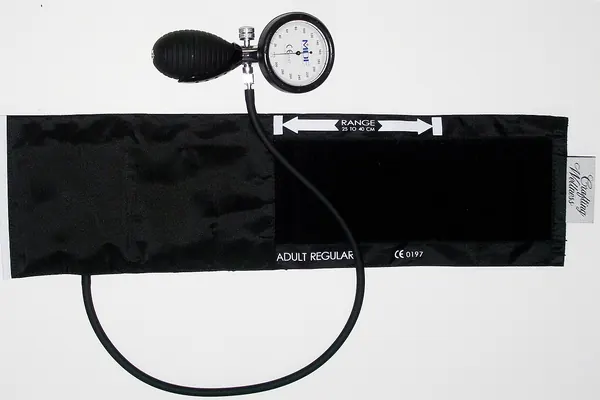

Illustrative photos, published by their authors under free licences.
Who it is for
- Nursing students (ADN, BSN, LPN/LVN) with a dosage calculation exam or a med-math check before clinicals
- NCLEX-RN and NCLEX-PN candidates who want to drill calculation items
- Nursing school applicants who want to see where TEAS and HESI A2 math (conversions, proportions) leads
- Nurses returning to practice who want a refresher, and non-native English speakers who prefer short sentences
Who it is not for
- Clinical decisions about real patients: doses, safe ranges and labels in this workbook are for practice; follow your orders, the label in your hand, agency policy and a current drug reference
- Anyone looking for a full pharmacology review: this is a math workbook, not a drug guide
- Anyone looking for questions taken from a school or NCLEX exam: every problem is original
Questions before you buy
Is it 200 problems, really?
Yes: 125 solved step by step in Chapters 1 to 7 and 75 in three timed sets and a final exam (Chapter 8), each with a full solution in the answer key. The count is the number of problems in the PDF.
Which method does it use: dimensional analysis or the formula?
Chapter 2 teaches dimensional analysis and most of its 15 problems use it; the multi-step problems of later chapters keep the unit chain, and one-step problems use the shortest correct setup. Chapter 2 also shows the same problem solved three ways (dimensional analysis, D / H × Q, ratio and proportion) so you can keep the method your program teaches.
Can I trust the answers?
Every answer was computed by a script and written with the ISMP safe-writing rules and the rounding rules of Chapter 1. Each problem says how to round, so you can check your answer to the same decimal.
Is it useful for the TEAS or HESI A2?
Partly. Chapter 1 (conversions) and Chapter 2 (proportions and dimensional analysis) match the TEAS math objectives on estimation and rounding, proportions, rates and unit conversions [S17] and the conversion problems of the HESI A2 math exam. Chapters 3 to 8 are nursing school and NCLEX level.
How is it different from your NCLEX safety and pharmacology review?
That guide reviews infection control, safety and drug classes, with one chapter of 40 dosage problems. This workbook is only calculations: 200 problems, eight chapters, reconstitution, dilutions, drips, pediatric fluids and timed sets.
Is it a subscription?
No. It is a one-off payment for a PDF you keep. It opens on any phone, tablet or computer and prints well if you prefer to work on paper.
How it works
- You pay on Stripe, by card or Apple Pay: one-off payment, your card details never pass through our servers.
- You download the PDF straight away on the confirmation page, get the link by email, and can find it again at any time (Find my purchases).
- Need help with your guide? Email administration@lacangel.fr with your order number: we answer every message.
Good to know before you buy
- Written by passmock from the official sources listed in the guide (17 sources, each with the date it was read). Rules and fees can change: the guide tells you where to check.
- NCLEX is a registered trademark of NCSBN and ATI TEAS a trademark of ATI; passmock is not affiliated with NCSBN, ATI, ISMP or the AAP.
- Want to try first? The free NCLEX-RN practice test is free, with explained answers.
- Guaranteed as described: email administration@lacangel.fr and we fix it, replace it or refund you (refund policy).